
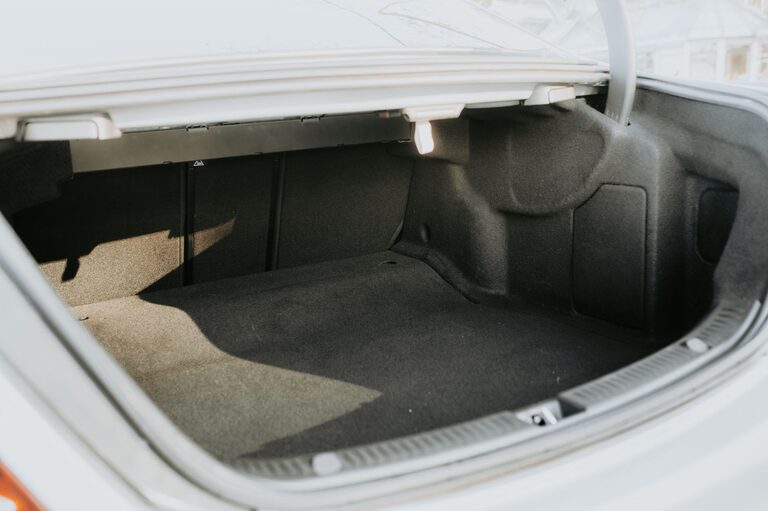
A clean, organized car is more comfortable to drive and easier to use every day. It can also save time when you need to find something quickly, prevent small messes from becoming larger problems, and make routine trips more pleasant.
Keeping your car tidy does not require hours of work or expensive products. A few practical storage solutions and simple habits can make a noticeable difference. Here is how to create a car-cleaning routine that is easy to maintain.
Start With a Complete Clear Out
Before organizing your car, remove everything that does not belong inside it. Check the front seats, back seats, floor areas, door pockets, center console, glove box, and trunk.
Create three groups:
– Keep in the car
– Take inside
– Throw away or recycle
Be honest about what you really need. Receipts, empty bottles, old clothing, food wrappers, and random items often build up because they are left in the car “for now.” Removing them gives you a clean starting point.
Once everything is out, take a few minutes to shake out the floor mats and vacuum the seats and floor. Cleaning an empty interior is much easier than trying to work around loose items.
Keep a Small Car Cleaning Kit
A compact cleaning kit makes it easier to deal with spills, dust, and dirt before they become difficult to remove. Store the supplies in a small container or reusable bag in the trunk.
Useful items include:
– Microfiber cloths
– Interior cleaning wipes
– A small bottle of gentle cleaner
– Paper towels
– A soft brush
– A handheld vacuum or car vacuum
– A small trash bag
– Stain remover suitable for your upholstery
– Glass cleaner for windows and mirrors
Choose products that are appropriate for your car’s materials. Some strong household cleaners may damage plastic, leather, fabric, or protective surfaces. When using a new product, test it first on a small, less visible area.
Create a Place for Everything
Organization works best when every item has a designated place. Use the storage areas your car already provides, but avoid filling them with unnecessary items.
The glove box can hold important documents, a pen, a small notepad, and items you use occasionally. Keep it free of loose papers by using a thin folder or document pouch.
The center console is useful for frequently needed items such as sunglasses, charging cables, or hand sanitizer. A small tray or divider can prevent these items from becoming mixed together.
Door pockets should be reserved for lightweight items. Avoid storing heavy objects there, as they may rattle while driving or make the doors feel crowded.
For the trunk, consider a collapsible organizer with separate sections. It can hold shopping bags, emergency supplies, cleaning products, and other useful items without allowing them to roll around.
Use Simple Storage Solutions
You do not need to buy many accessories to improve your car’s organization. Start with a few practical options that solve specific problems.
A backseat organizer can hold books, travel items, tissues, and small electronics. It is especially useful for families or people who spend a lot of time on the road.
A small container or bag can serve as a dedicated trash bin. Line it with a reusable bag so it is easy to empty and clean. Place it somewhere accessible but secure.
Cable clips can keep charging cords from falling onto the floor. A small pouch can hold extra cables, adapters, and headphones.
If items often slide across the trunk, use a non-slip mat or storage bin. This keeps groceries, tools, and other objects in place while the car is moving.
Clean From Top to Bottom
When cleaning the interior, work from the top down. Dust and debris naturally fall onto lower surfaces, so this order helps you avoid cleaning the same area twice.
Follow these steps:
- Remove all loose items.
- Dust the dashboard, vents, and other upper surfaces.
- Wipe the center console and door panels.
- Clean the windows and mirrors.
- Vacuum the seats, floor, and mats.
- Empty and clean storage compartments.
- Replace only the items that belong in the car.
Use a soft brush to loosen dust from air vents, seams, and buttons. A microfiber cloth can collect dust without leaving much lint behind. Avoid spraying cleaner directly onto electronic controls. Apply it to a cloth instead.
Take Care of Seats and Floor Mats
Seats and floor mats receive some of the most use, so they should be part of your regular cleaning routine.
For fabric seats, vacuum first to remove loose dirt. Treat small stains with a suitable upholstery cleaner and follow the product instructions. Avoid soaking the fabric, since excess moisture can lead to unpleasant odors and long drying times.
For leather or similar materials, use a cleaner designed for that surface. Wipe gently and avoid rough brushes that may cause scratches.
Rubber and plastic floor mats can usually be removed and rinsed. Let them dry completely before putting them back. Fabric mats should be vacuumed regularly and cleaned according to the manufacturer’s instructions.
Prevent Messes Before They Happen
The easiest mess to clean is the one you prevent. A few small habits can protect your car’s interior and reduce the amount of cleaning required.
Try these simple practices:
– Use a reusable cup with a secure lid.
– Keep food in containers that close tightly.
– Avoid leaving open drinks in storage areas.
– Place muddy shoes or wet items in a washable bag.
– Use a protective cover when transporting pets or messy equipment.
– Keep a small towel available for unexpected spills.
– Remove shopping bags and packages after each trip.
If a spill happens, clean it as soon as possible. Fresh spills are generally easier to remove than dried stains. Blot liquid with a cloth instead of rubbing it deeper into the fabric.
Build a Quick Daily Routine
A few minutes at the end of each day can prevent clutter from building up. Before leaving your car, take out wrappers, bottles, receipts, and anything you will need inside.
You can also use a simple “one-minute reset” whenever you park:
– Check the front seats and floor.
– Return loose items to their storage areas.
– Remove trash.
– Put belongings from the back seat in their proper place.
– Close and secure storage compartments.
This small routine is easier to maintain than waiting until the car becomes noticeably messy.
Schedule a Deeper Clean
In addition to daily tidying, plan a more thorough cleaning every few weeks or whenever the interior needs extra attention. The schedule may depend on how often you drive, the season, and whether you transport children, pets, or equipment.
A deeper clean can include:
– Vacuuming beneath the seats
– Cleaning cup holders
– Wiping door handles and controls
– Washing floor mats
– Cleaning windows inside and out
– Checking the trunk for unused items
– Removing dust from vents and seams
– Inspecting storage organizers for dirt or damage
Use this opportunity to review what you keep in the car. If you have not used an item in several months and it is not needed for emergencies or regular travel, consider storing it elsewhere.
Keep the Exterior Tidy Too
A clean exterior makes the whole car feel better cared for. Remove bird droppings, road dirt, and spilled substances when you can. They may become harder to clean if left on the paint for too long.
Clean the windows and mirrors regularly so they remain clear. Empty the trunk before washing the car, and check the areas around the doors for loose dirt. If you wash the car at home, use products made for automotive surfaces and clean tools that will not scratch the finish.
With a clear-out, a few storage solutions, and consistent small habits, keeping your car clean and organized becomes much easier. The key is to return items to their proper places, remove trash promptly, and handle spills before they set. A little regular effort can keep your car comfortable, functional, and ready for the road.