
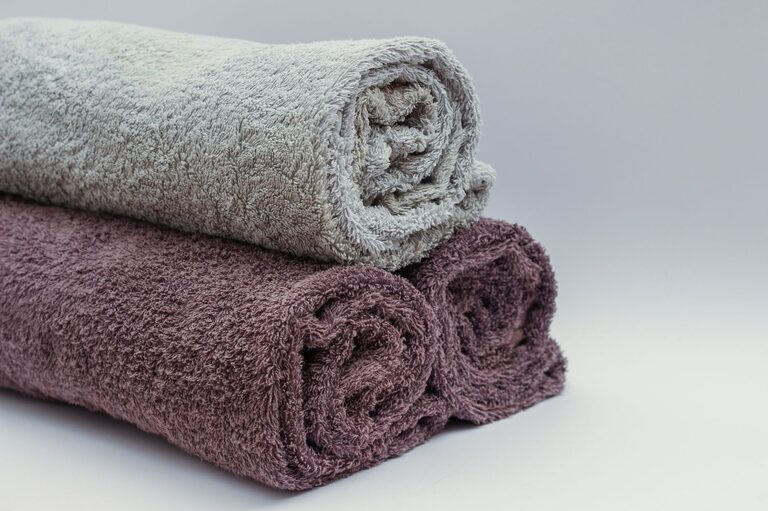
Towels work hard in every home. They absorb water, collect body oils, and often stay damp for hours between uses. Without proper care, they can develop a musty smell, feel stiff, or lose their softness over time.
The good news is that keeping towels fresh and fluffy does not require complicated products or special equipment. A few simple laundry and storage habits can help your towels stay clean, comfortable, and absorbent for longer.
Wash Towels the Right Way
Read the care label
Before changing your washing routine, check the towel’s care label. Cotton, bamboo, microfiber, and decorative towels may have different instructions. The label can tell you the recommended water temperature, drying method, and whether bleach or other products should be avoided.
Following these instructions helps protect the fibers and prevents unnecessary wear.
Avoid overloading the washing machine
Towels need plenty of room to move through the wash cycle. If the machine is packed too tightly, water and detergent may not circulate properly. This can leave towels with trapped dirt, soap residue, or an unpleasant odor.
Wash towels in a separate load when possible. If you combine them with other items, avoid mixing them with clothes that produce lint or items with zippers and hooks that may catch on the fabric.
A loosely filled drum is usually better than a tightly packed one. Towels should be able to move freely during both washing and rinsing.
Use the right amount of detergent
More detergent does not necessarily mean cleaner towels. Too much can build up in the fibers, making towels feel stiff and less absorbent. It may also leave behind a scent that smells unpleasant once the towel becomes damp.
Use the amount recommended on the detergent package for your load size and water conditions. If your towels feel coated or have a strong detergent smell, try using slightly less detergent in future washes.
Choose a Suitable Water Temperature
Warm or hot water can help remove body oils and residue from towels, but the best temperature depends on the care label and the towel material. Some towels may shrink or fade when washed at high temperatures.
For everyday cleaning, choose the warmest setting that is safe for the fabric. A cooler wash can be useful for lightly used towels or colored towels that need help retaining their appearance.
The most important factor is consistency. Towels should be washed often enough that dirt and moisture do not have time to build up.
Skip Fabric Softener
Fabric softener can make towels feel smooth at first, but it may coat the fibers over time. This coating can reduce absorbency and cause towels to repel water instead of soaking it up.
If you want softer towels, focus on thorough rinsing and proper drying. You can also occasionally run an extra rinse cycle to help remove leftover detergent and product buildup.
Dryer sheets can have a similar effect, so use them sparingly or avoid them when washing towels.
Use Vinegar Carefully
Some people add a small amount of white vinegar to the rinse cycle to help reduce detergent residue and odors. If you try this method, use it occasionally rather than with every load, and follow your washing machine’s instructions.
Never mix vinegar with chlorine bleach. Combining cleaning products can create dangerous fumes. If you use bleach for white towels, use it only as directed on the product label and keep it separate from other cleaning agents.
Dry Towels Completely
Damp towels are more likely to develop a musty smell. Remove them from the washing machine as soon as the cycle ends, then dry them thoroughly.
Shake towels before drying
Give each towel a quick shake before placing it in the dryer or hanging it up. This helps loosen the fibers and prevents the fabric from drying in a tightly compressed shape.
It can also reduce wrinkles and help towels regain some of their natural fullness.
Use a moderate dryer setting
A moderate heat setting is often a good choice for cotton towels. Very high heat can damage fibers, cause shrinkage, and make towels feel rough over time.
Avoid over-drying whenever possible. Once towels are dry, remove them from the dryer promptly. If your towels tend to become stiff, try using a shorter cycle and checking them near the end.
Dryer balls can help separate towels as they tumble, allowing warm air to circulate. They may also reduce drying time. Avoid overfilling the dryer, since a crowded load can dry unevenly.
Air-dry with space
If you prefer to air-dry towels, hang them fully open rather than folded over a narrow rail. This allows air to reach both sides of the fabric.
Leave space between towels and improve ventilation with an open window, fan, or exhaust system when appropriate. Make sure each towel is completely dry before folding and storing it.
Keep Towels Fresh Between Washes
A towel does not always need to be washed after one use if it has been used by one person and is allowed to dry fully. However, it should be hung up properly after each use.
Spread the towel over a bar or rack instead of leaving it in a heap on the floor, bed, or bathroom counter. A crumpled towel stays damp longer and is more likely to develop odors.
Wash towels more frequently if they remain damp, are shared by several people, or are used after exercise or outdoor activities. Hand towels and washcloths may also need more frequent washing because they are used repeatedly throughout the day.
Store Towels Properly
Towels should be stored in a clean, dry, well-ventilated area. Do not place freshly washed towels in a cupboard while they are even slightly damp.
Fold towels loosely enough to avoid crushing the fibers. Rolling them can be a useful option for open shelves or baskets, while traditional folding works well in linen closets.
Avoid storing towels directly against a damp wall or in a humid area without ventilation. If a cupboard tends to smell stale, leave the door open occasionally and make sure the shelves are clean and dry.
Refresh Musty Towels
If towels already have a musty smell, wash them separately from other laundry. Use the recommended amount of detergent, select a suitable warm cycle, and make sure they dry completely afterward.
An extra rinse may help remove buildup. If the smell returns quickly, check whether the washing machine itself needs cleaning. Residue inside the drum, door seal, or detergent drawer can transfer odors to clean laundry.
Do not simply add more fragrance to cover the smell. A clean wash and complete drying are more effective long-term solutions.
Avoid Common Towel-Care Mistakes
Keep these habits in mind:
– Do not leave wet towels in the washing machine for long periods.
– Do not overload the washer or dryer.
– Do not use excessive detergent or fabric softener.
– Do not store towels before they are fully dry.
– Do not wash towels with items that have sharp hooks or rough hardware.
– Do not use high heat unless the care label allows it.
– Do not mix vinegar and chlorine bleach.
A Simple Routine for Fluffy Towels
For an easy routine, wash towels separately using the recommended amount of detergent and a suitable water temperature. Shake them out before drying, use moderate heat or good airflow, and remove them promptly once dry. Store them in a clean, dry place and hang used towels so they can dry fully between uses.
With these straightforward habits, towels can remain fresh, soft, and absorbent while also lasting longer.