
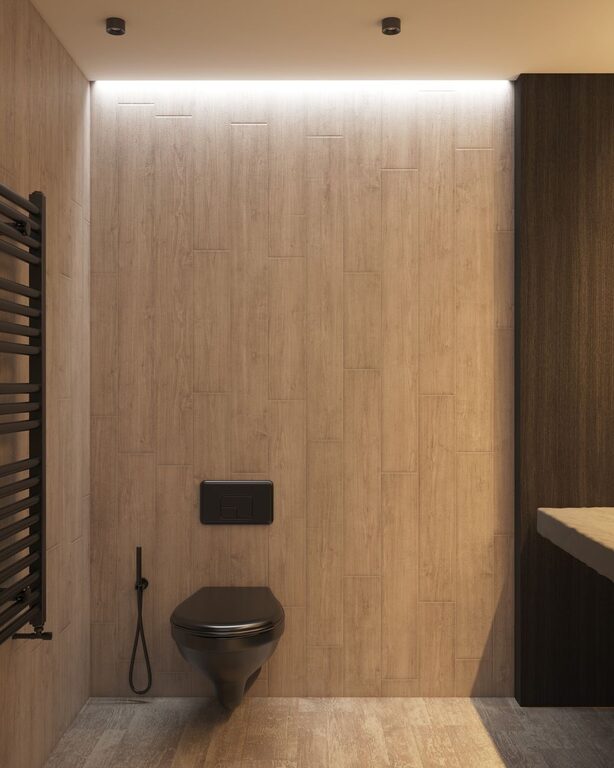
A minimalist bathroom is more than a room with fewer items. It is a space designed around simplicity, comfort, and everyday function. By reducing clutter, choosing useful features, and keeping the design consistent, you can create a bathroom that feels calm and is easy to maintain.
Minimalism does not require an expensive renovation or a completely empty room. Small changes, such as clearing the counter, improving storage, and selecting a simple color palette, can make a noticeable difference. Use the following steps to build a bathroom setup that is practical, attractive, and easy to keep organized.
Start With a Clear Plan
Before buying new items, take a careful look at the bathroom. Notice what works well, what creates clutter, and what you use every day.
Ask yourself:
– Which products do I use regularly?
– Which items are taking up valuable counter or floor space?
– Is there enough storage for towels and toiletries?
– Are cleaning supplies easy to access?
– Which colors and materials already exist in the room?
Take everything out of drawers, cabinets, and open shelves. Group similar items together, such as hair products, skincare, cleaning supplies, and extra toiletries. This gives you a clear view of what you own and helps prevent unnecessary purchases.
Keep Only the Essentials
A minimalist bathroom should support your routine without becoming difficult to use. Begin by separating your belongings into three groups:
- Items used daily
- Items used occasionally
- Items that are expired, damaged, or no longer needed
Keep daily products within easy reach. Store occasional items in a cabinet or labeled container. Dispose of products that are empty, expired, or unsuitable for your current routine. If an item has not been used in a long time, consider whether it truly deserves space in the bathroom.
Avoid keeping duplicates unless they serve a clear purpose. For example, one everyday shampoo and one backup may be enough. Limiting extras creates more room and makes the bathroom easier to clean.
Choose a Simple Color Palette
Color has a strong effect on how spacious and peaceful a bathroom feels. A limited palette can make the room look more organized, even when it contains necessary items.
Common minimalist color choices include:
– White and warm gray
– Beige and soft brown
– Light blue and white
– Black, white, and natural wood
– Cream and muted green
You do not need to use only one color. Choose two or three complementary shades and repeat them through towels, storage containers, bath mats, and accessories. Consistency helps the room feel intentional.
If the bathroom already has colorful tiles or fixtures, use them as the starting point. Keep new additions simple so the space does not feel visually busy.
Improve Storage Without Adding Clutter
Good storage is one of the most important parts of a minimalist bathroom. The goal is to keep surfaces clear while making everyday items easy to find.
Use storage that matches the size and layout of the room. Helpful options include:
– A mirrored cabinet for small toiletries
– Drawer organizers for grooming items
– Wall-mounted shelves for towels or baskets
– Narrow cabinets for unused corners
– Hooks behind the door for robes and towels
– Stackable bins beneath the sink
Choose containers in similar colors or materials for a cleaner appearance. Clear containers are useful when you need to see the contents, while opaque bins create a more uniform look.
Label storage containers when they hold small or similar items. Labels make it easier to return products to their proper place, especially when multiple people share the bathroom.
Keep the Countertop Mostly Clear
A clear countertop instantly makes a bathroom feel more spacious. Keep only the items that are used every day, such as hand soap and a toothbrush holder.
Group small items together on one tray rather than spreading them across the counter. A tray creates a defined area and makes cleaning easier because several items can be moved at once.
Consider storing the following items out of sight:
– Hair tools
– Extra soap and toothpaste
– Makeup
– Cleaning products
– Travel-size containers
– Spare towels
If you need to keep several items on the counter, choose matching containers. A coordinated soap dispenser, toothbrush cup, and small tray can look more polished than a collection of unrelated packages.
Select Functional Fixtures and Accessories
Minimalist design works best when every item has a purpose. Choose bathroom accessories that are durable, easy to clean, and suitable for the available space.
Look for:
– A simple shower caddy that does not collect excess water
– A slim wastebasket with a removable liner
– A towel bar or hooks that fit the wall area
– A washable bath mat in a neutral color
– A toilet brush with a covered holder
– A compact laundry basket with ventilation
Avoid choosing accessories only because they look attractive. A beautiful item that is difficult to clean or does not fit the room can quickly become a source of frustration.
When replacing fixtures, consider simple shapes and finishes that will remain appealing over time. Brushed metal, matte black, white ceramic, and natural wood can all work well when used consistently.
Add Warmth With Natural Details
A minimalist bathroom should feel comfortable, not cold. Natural materials and soft textures can add warmth without creating clutter.
Try adding:
– A wooden bath stool
– Cotton or linen towels
– A woven storage basket
– A small plant suited to the bathroom’s light and humidity
– A framed print with a simple design
– A textured shower curtain in a neutral shade
Use these details selectively. One or two natural accents may be enough to make the space feel welcoming. Avoid filling every empty area, since open space is an important part of minimalist design.
If the bathroom has limited natural light, choose a low-maintenance plant only if its growing conditions suit the room. Otherwise, use a small decorative branch or another nonliving accent.
Create a Practical Cleaning Routine
A minimalist bathroom is easier to clean when fewer items are left out. Build a simple routine to keep the setup working well.
Once or twice a week:
– Wipe the countertop and sink
– Clean the mirror
– Rinse and dry the shower area
– Empty the wastebasket
– Wash or replace the bath mat
– Return misplaced items to storage
– Check products for empty containers
Keep basic cleaning supplies together in one accessible container. Store them safely and away from personal care products. A short, regular cleaning routine is usually more effective than waiting until the room needs a major cleanup.
Maintain the Setup Over Time
Minimalism is an ongoing habit rather than a one-time project. When you bring a new item into the bathroom, decide where it will be stored before buying it. If storage is already full, remove or use up something else first.
Review the bathroom every few months. Products, towels, and accessories can gradually accumulate, especially in a shared space. A quick reset helps prevent clutter from returning.
Focus on function, comfort, and ease of use. The best minimalist bathroom is not the one with the fewest items. It is the one where everything has a clear purpose, a convenient place, and a simple role in your daily routine.