
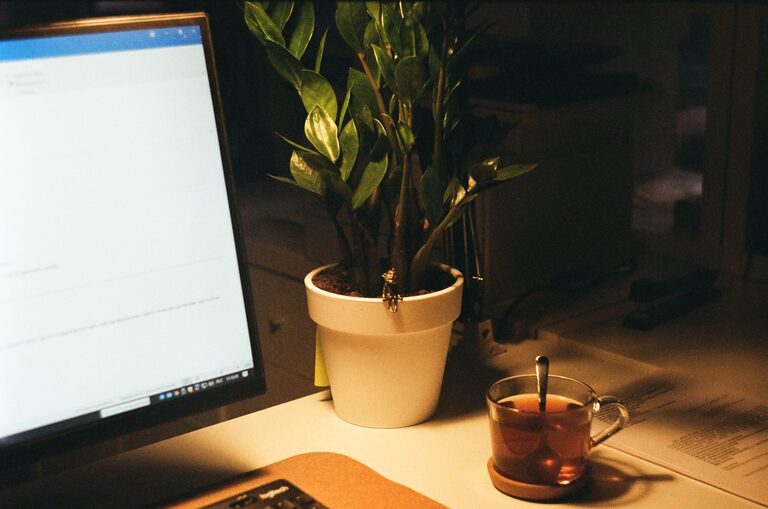
Working from home offers flexibility, comfort, and fewer daily commutes. However, it can also make it harder to stay focused. Household chores, noisy surroundings, personal devices, and unclear work hours can quickly interrupt your attention.
The good news is that better focus does not require a perfect home office or a complicated system. Small changes to your workspace, schedule, and daily habits can help you work with more clarity and less stress.
Create a Dedicated Work Area
A consistent work area helps your mind recognize when it is time to concentrate. This does not have to be a separate office. A corner of a room, a dining table, or a small desk can work well if it is arranged for regular use.
Try to keep your work area:
– Clean and free from unnecessary items
– Well lit, preferably with natural light
– Comfortable enough for extended computer use
– Separate from areas used mainly for rest or entertainment
– Stocked with the tools you use most often
At the end of the workday, clear away papers and close your computer if possible. This simple routine creates a visible boundary between work time and personal time.
Reduce Visual Distractions
A crowded workspace can make it harder to decide where to direct your attention. Keep only the items you need for the current task within view. Store extra supplies in a drawer or nearby container.
You can also use a plain background during video meetings and turn off unnecessary visual alerts on your computer. A calmer environment makes it easier to return to your task after an interruption.
Plan Your Day Before You Begin
Starting the day without a plan can lead to constant task switching. Before opening email or chat, take a few minutes to decide what needs your attention.
Write down:
- The most important task of the day
- Two or three smaller tasks
- Meetings or fixed commitments
- A realistic stopping time
Choose your main task based on importance, not just convenience. Completing one meaningful task often creates more progress than finishing several minor tasks.
Keep your daily list short. A long list can feel discouraging and may encourage you to jump between tasks. If new requests appear during the day, add them to a separate list and review them later instead of immediately abandoning your current work.
Break Large Tasks Into Steps
Large projects are easier to start when they are divided into smaller actions. Instead of writing “finish report,” list steps such as:
– Review the project notes
– Create an outline
– Draft the introduction
– Add supporting details
– Review and revise the final version
Clear next steps reduce uncertainty and make it easier to begin. They also give you natural points to pause without losing track of your progress.
Use Focused Work Sessions
Many people find it easier to focus in planned sessions rather than trying to work continuously for hours. Choose a period that feels manageable, such as 25, 40, or 60 minutes. During that time, work on one task and avoid unrelated activities.
When the session ends, take a short break. Stand up, stretch, refill your water, or look away from the screen. After the break, begin another focused session if needed.
There is no single perfect work-and-break schedule. Experiment with different session lengths and notice when your attention is strongest. The best routine is one you can follow consistently.
Keep a Visible Progress Cue
A simple timer, checklist, or note can remind you what you are working on. At the start of a session, write a sentence such as, “I am reviewing the first three pages.” This gives the session a clear purpose.
When you finish, record what you completed and identify the next step. This makes it easier to resume work after a break or at the beginning of the next day.
Manage Digital Distractions
Digital interruptions can break your concentration even when they take only a few seconds. An alert may lead to an email, message, or website that keeps your attention for much longer than expected.
During focused work:
– Turn off nonessential notifications
– Set your phone to silent or place it out of reach
– Close unrelated browser tabs
– Check email at planned times
– Use separate browser windows for work and personal tasks
– Let coworkers know when you are unavailable for routine questions
You do not need to ignore messages all day. Instead, create specific times to review email and chat. This helps you stay responsive without allowing every notification to control your schedule.
Avoid Constant Multitasking
Switching repeatedly between tasks can make work take longer and increase mistakes. Whenever possible, group similar activities together. For example, answer messages in one block, complete focused writing in another, and handle routine administrative tasks later.
If you need to pause a task, leave yourself a brief note about where you stopped. This reduces the time needed to get back into the work.
Set Clear Work Hours
Without a commute, it can be tempting to start early, work late, or remain available throughout the day. This may make it harder to focus because your work never feels finished.
Choose regular start and end times that fit your responsibilities. Share these hours with coworkers, friends, or family members when appropriate. A clear schedule helps others understand when you are working and gives you permission to disconnect when the day is over.
Create a short closing routine, such as:
– Reviewing completed tasks
– Moving unfinished items to tomorrow’s list
– Checking the next day’s schedule
– Closing work applications
– Tidying your work area
A predictable ending helps your mind shift away from work and prepares you for the next day.
Communicate Boundaries at Home
People you live with may not realize when you need uninterrupted time. Explain your schedule and agree on simple signals. A closed door, headphones, or a sign near your workspace can indicate that you are in a focused session.
If interruptions are unavoidable, plan around them when possible. Use quieter periods for demanding tasks and save easier work for times when you may be interrupted.
You can also prepare household routines that reduce distractions. For example, keep snacks and water nearby, silence personal devices, and complete quick chores before or after your main work block instead of during it.
Support Your Energy
Focus depends partly on how you feel physically and mentally. Basic habits can make a noticeable difference throughout the workday.
Try to:
– Drink water regularly
– Eat meals away from your computer
– Stand up and move during breaks
– Adjust your chair and screen for comfort
– Get enough sleep to support your normal routine
– Spend a few minutes outside when possible
Short movement breaks can refresh your attention without taking much time. If you notice your focus declining, pause and reset rather than forcing yourself to continue unproductively.
Review and Improve Your Routine
A focus routine should change as your workload, home environment, and responsibilities change. At the end of each week, take a few minutes to review what worked.
Ask yourself:
– Which times of day offered the best concentration?
– What distractions appeared most often?
– Were my daily goals realistic?
– Did my breaks help me return with more energy?
– What one change could make next week easier?
Choose one or two adjustments instead of changing everything at once. You might move demanding work to the morning, shorten meetings, or create a clearer process for checking messages.
Better focus is built through repeatable habits, not perfect days. By creating a dedicated workspace, planning realistic tasks, limiting digital interruptions, and protecting your breaks, you can make working from home more organized and productive. Start with one small change today, then build a routine that supports the way you work best.