
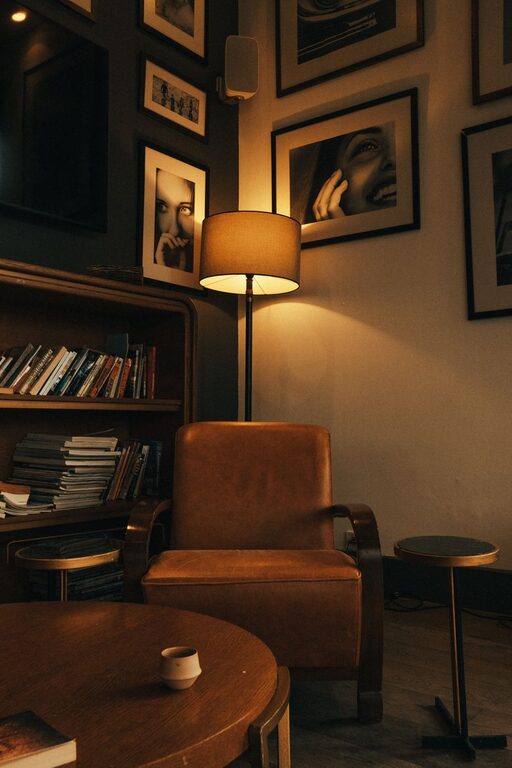
A cozy reading corner can make your home feel more inviting while giving you a dedicated place to slow down and enjoy a good book. You do not need a large room or an expensive makeover. With the right location, comfortable seating, good lighting, and a few personal details, almost any unused area can become a relaxing retreat.
Whether you have a wide window ledge, an empty corner of the living room, or a small space beside your bed, the goal is to create an area that feels comfortable and easy to use. Here is how to design a reading corner that fits your home and your lifestyle.
Choose the Right Location
Start by looking around your home for a quiet area with enough space for comfortable seating. The best spot will depend on how you like to read and how much room you have available.
Consider these possibilities:
– A corner near a window
– An unused section of the living room
– A space beside a bookcase
– A quiet area in a bedroom
– A wide hallway or landing
– A covered porch or enclosed sunroom
Natural light can make a reading corner feel bright and welcoming during the day. However, avoid placing your chair where direct sunlight creates glare on book pages or makes the area uncomfortably warm.
You should also think about noise and foot traffic. A corner away from the television, kitchen, and main walkways may make it easier to concentrate. If your home is busy, even a partial separation can help. A bookcase, folding screen, or curtain can create a stronger sense of privacy.
Select Comfortable Seating
Comfort is the most important part of a reading corner. Choose seating that supports your back and gives you enough room to change positions. A chair that looks attractive but feels uncomfortable will probably not get much use.
Good options include:
– An upholstered armchair
– A compact lounge chair
– A small loveseat
– A cushioned bench
– A floor chair with back support
– A window seat with a thick cushion
Before choosing a chair, measure the available space. Leave enough room to move around it and place a small table nearby. If the area is narrow, look for a chair with a smaller frame rather than a deep, oversized design.
Add a soft throw blanket and one or two supportive pillows. A pillow behind your lower back can improve comfort, while a larger pillow may help you settle into a relaxed position. Choose washable covers if the reading corner will be used often.
Plan the Lighting
Good lighting helps make reading more comfortable and allows you to use the space in the evening. A layered approach works well because it combines general light with focused light.
A floor lamp beside the chair is a popular choice because it provides direct light without taking up table space. An adjustable reading lamp can be angled toward the pages, while a table lamp creates a softer atmosphere.
When selecting a light, consider:
– The height of the lamp
– Whether the shade directs light toward your book
– The brightness level
– The location of the switch
– The amount of natural light in the area
A warm white bulb can make the corner feel inviting. If you read late at night, choose a lamp with adjustable brightness. This allows you to use brighter light for detailed reading and softer light when you want to relax.
Avoid placing a lamp directly behind you if it creates shadows across the pages. A light positioned slightly to the side is often more comfortable.
Add a Small Surface
A reading corner should have a convenient place for a few essentials. A small side table, stool, or narrow shelf can hold your current book, a pair of glasses, a drink, or a small lamp.
The table does not need to match the chair exactly. Look for a piece that fits the scale of the area and provides enough room without making the corner feel crowded. In a small home, a nesting table or wall-mounted shelf can save space.
You can also use a small basket beside the chair for books, magazines, blankets, or reading accessories. Keeping these items nearby makes the space easier to maintain and encourages you to use it regularly.
Create Simple Book Storage
Books are an important part of the reading corner, but too many items can make the space feel cluttered. Choose storage that keeps your favorite titles close at hand while matching the style of the room.
Possible storage solutions include:
– A narrow bookcase
– Floating shelves
– A small cube organizer
– A wooden crate
– A rolling cart
– A built-in window seat compartment
Arrange books in a way that feels natural to you. You might group them by subject, size, color, or reading priority. Keep a few current or favorite books within easy reach, and store the rest elsewhere if space is limited.
If you use open shelves, leave some empty space between groups of books. This creates a cleaner appearance and gives you room to add a small plant, framed picture, or decorative object.
Use Color and Texture
Color and texture can make a reading corner feel warmer without requiring a major change to the room. Soft fabrics, natural materials, and calming colors often work well in this type of space.
Consider adding:
– A woven rug
– A knitted blanket
– Linen or cotton pillows
– A fabric lampshade
– A wooden side table
– Curtains or a soft wall hanging
Neutral colors such as cream, beige, soft gray, and warm white can create a calm background. If you prefer more color, try muted green, blue, rust, or mustard. Choose shades that complement the surrounding room so the reading corner feels connected to the rest of your home.
A rug can define the area, especially if the chair is placed in a larger room. It also adds softness underfoot and helps the corner feel like a separate, intentional space.
Add Personal Details
The best reading corners reflect the person who uses them. Add a few items that make the space feel familiar and enjoyable, but avoid filling every surface.
Personal touches might include:
– A framed print
– A favorite collection of books
– A small plant
– A handmade cushion
– A decorative bookmark
– A ceramic cup
– A small tray for everyday items
Plants can add color and life, but choose one that suits the amount of light in the area. If the space is dim, a low-maintenance plant or a realistic artificial option may be more practical.
You can also display a meaningful object, such as a travel souvenir or family keepsake. One or two special pieces are often more effective than a large collection of decorations.
Make the Space Work for You
Think about how you usually read before finalizing the design. If you enjoy long reading sessions, prioritize a supportive chair and a nearby place to rest your feet. An ottoman or small footstool can make the space more comfortable without taking up much room.
If you switch between books, magazines, and an e-reader, include storage for each item. A charging station or small outlet nearby can be useful for electronic devices. Keep cords organized so they do not become a tripping hazard.
For homes with children or pets, choose durable, washable fabrics and stable furniture. A low basket can make it easy to put books away, while rounded furniture edges may be better for busy areas.
Keep Your Reading Corner Tidy
A few simple habits can help the corner stay inviting. Return books to their shelf when you are finished, fold blankets neatly, and clear away cups or other items. Use a basket or tray to collect small objects that tend to gather around the chair.
Every few weeks, review the items in the space. Remove anything you no longer use and rotate books or decorations when you want a fresh look. A clean, organized corner is more likely to remain a favorite part of your home.
Creating a cozy reading corner is less about following a specific design style and more about making a space that feels comfortable and useful. Start with a good seat, add reliable lighting, and build from there with storage, soft textures, and personal details. Even a small corner can become a peaceful place to read, rest, and enjoy a little time for yourself.